
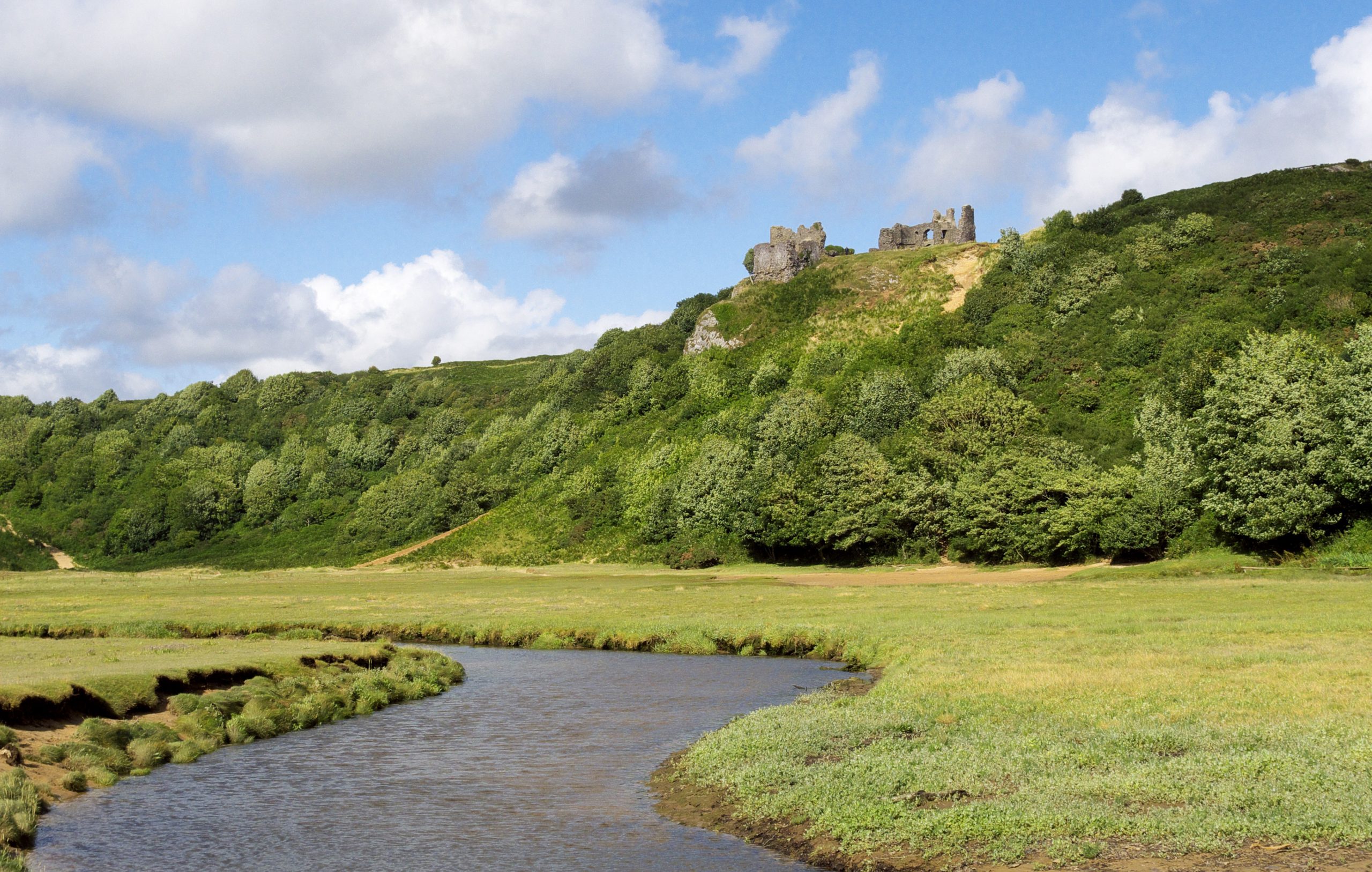
Situated upon the River Jawn, The Village of Jawn was founded by Jawn Yr Annioddefol at some point around 950 CE, with the foundation of Jawn Castle being laid down during the Spring of 959. Built on the flood plain of the river, the Village itself offered fertile soil. The house of Jawn experimented with dam technology long before it was successfully implemented elsewhere. The first grain to be milled with water power happened here. However the lack of dam building knowledge meant that the Jawn Dam breached during the heavy fall rains, on most occasions wiping out the entire Village of Jawn.
The last descendant of the Jawn family was Joan, Lady of Wales (c. 1191/92 – February 1237) who was the illegitimate daughter of King John of England and the house of Jawn.
After the fall of the house of Jawn, the Villiage did not rebuild after the failure of the Jawn Dam in 1266 during an exceptional rainy season, and the Village of Jawn was almost erased from the architectural record.


A map of the Village of Jawn in 1202
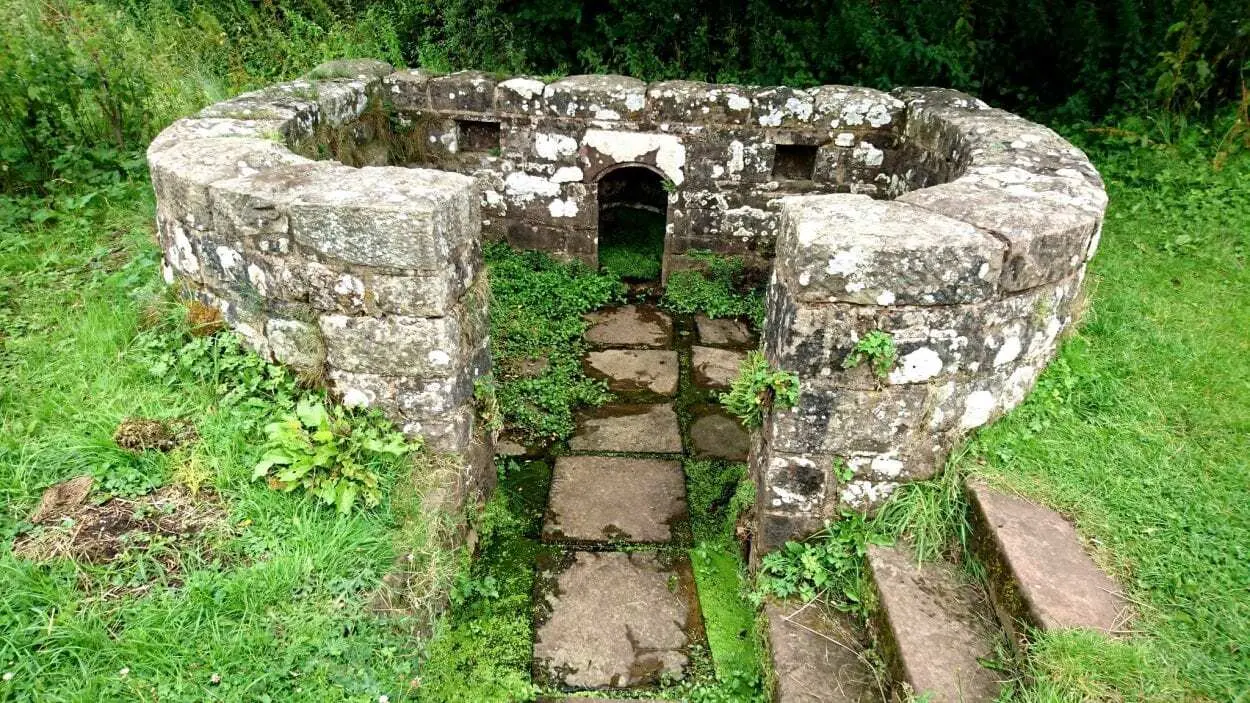
Experts have debated whether this was a latrine due to its position downstream from the village, or the remains of a brutal solitary confinement cell. Others suspect this jawn was a pump house for water.
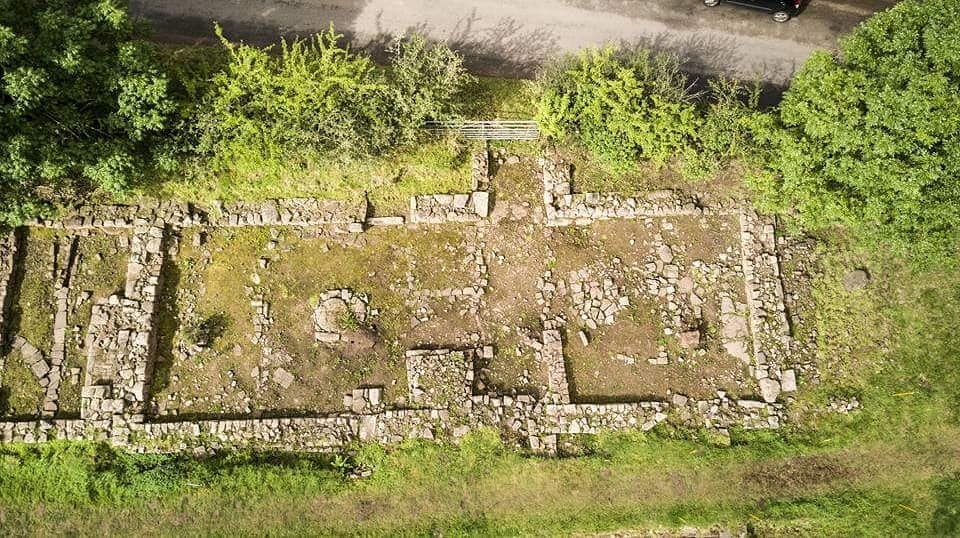
The silt from the River Jawn that made this valley such a fertile area also covered the foundations of the old village. After the last flood made the area uninhabitable, the village was slowly forgotten.
Many of the sons and fathers of the house of Jawn perished in the Crusades , leaving their realm unattended and unprotected.

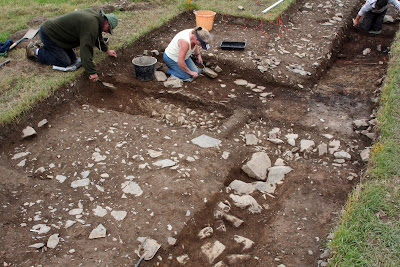
Uncovering more foundations in the Village of Jawn.
“Peace, Prosperity, Penance”
“Heddwch, Ffyniant, Penyd”